Hemophilia is an inherited bleeding disorder in which the blood lacks a clotting factor, usually Factor VIII (hemophilia A) or Factor IX (hemophilia B). People with hemophilia bleed for longer after injuries and can bleed into joints and muscles. It mainly affects males and is passed down through carrier females. Regular preventive (prophylactic) treatment protects joints and allows an active life.
Understanding hemophilia
Without enough clotting factor, the body cannot form stable clots, leading to prolonged bleeding after injuries, surgeries, or even spontaneously. Because it is lifelong, early diagnosis and structured care significantly reduce complications and improve quality of life.
How hemophilia affects daily life
People with hemophilia may have repeated bleeding into joints, muscles and soft tissues, which can cause pain, swelling and long-term joint damage if untreated. Internal bleeding, especially in the brain or abdomen, can be life-threatening. With proper management, physiotherapy, preventive factor replacement and careful lifestyle adjustments, individuals with hemophilia can lead active, productive lives.
Advances in hemophilia care
Hemophilia care has moved from emergency-only treatment to prevention, using clotting factor concentrates, extended half-life products and newer non-factor therapies. Regular prophylaxis helps prevent joint damage and spontaneous bleeds, and gene therapy is emerging. A multidisciplinary approach ensures safer activities and greater independence. Other bleeding disorders such as von Willebrand disease and platelet function disorders are also evaluated and managed.
Causes
Genetic changes affecting clotting proteins
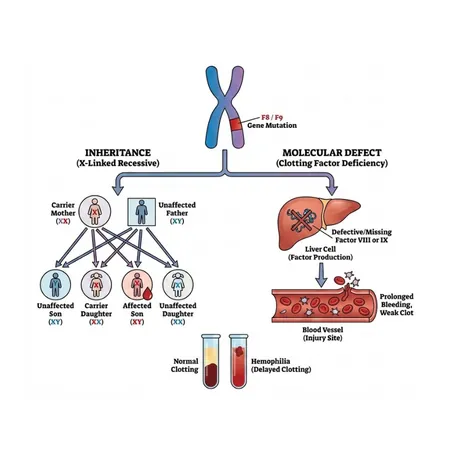
- Inherited mutation on the X chromosome
- Deficiency of Factor VIII (hemophilia A)
- Deficiency of Factor IX (hemophilia B)
- Rare acquired hemophilia due to autoantibodies
- Carrier females passing the mutation to sons
Symptoms
Signs of impaired clotting
- Prolonged bleeding from cuts or injuries
- Easy or large, deep bruises
- Bleeding into joints causing swelling and stiffness
- Muscle bleeds with pain and tenderness
- Excessive bleeding after surgery, dental work or injections
- Blood in urine or stool
Treatment
Lifelong management to prevent bleeding and protect joints
- Factor VIII/IX replacement therapy
- Prophylactic infusions to prevent spontaneous bleeds
- Bypassing agents for patients with inhibitors
- Newer non-factor therapies (for example monoclonal antibodies)
- Physiotherapy and joint protection
- Emergency plan for major bleeds
- Genetic counselling for families
Hemophilia & Bleeding Disorders care with Dr Prakash Singh Shekhawat in Jaipur
At Jaipur Hematology Centre, Dr Prakash Singh Shekhawat (DM Clinical Haematology) evaluates each patient, explains the diagnosis and options clearly, and builds a treatment plan with the family. For complex cases he works with a multidisciplinary hospital team. Bone marrow transplant and CAR-T, when they are appropriate, are provided under his care as Head of the BMT & CAR-T Program at BMCHRC, Jaipur.
Frequently asked questions
Can girls have bleeding disorders?
Yes. Women can be hemophilia carriers with low factor levels, and conditions like von Willebrand disease affect both sexes and commonly cause heavy periods. Unusual bleeding in anyone deserves testing.
Can a person with hemophilia play sports?
With regular prophylaxis and advice on suitable activities, many people with hemophilia stay active. Low-contact activities like swimming are generally encouraged; discuss your plan with your hematologist.
This page is for general information and does not replace a medical consultation. Treatment decisions depend on each patient's diagnosis and condition.