Thalassemia is an inherited blood disorder in which the body cannot make enough normal hemoglobin, leading to chronic anemia. People with thalassemia trait (carriers) are usually healthy, but if both parents are carriers, each pregnancy has a 1-in-4 chance of a child with thalassemia major, which needs regular blood transfusions. For eligible patients, bone marrow transplant is an established treatment that can remove the need for lifelong transfusions.

Understanding thalassemia
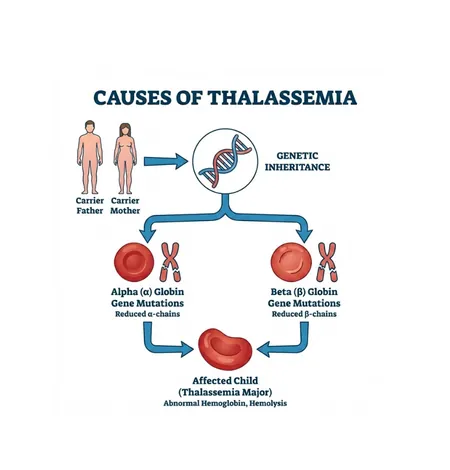
Thalassemia occurs when genetic mutations affect the production of alpha or beta globin chains of hemoglobin. Depending on severity, it ranges from a mild carrier state to life-threatening thalassemia major, and often requires lifelong monitoring, medical care and genetic counselling. Early diagnosis plays a key role in preventing complications and improving quality of life.
Why early detection matters
Thalassemia can silently progress, causing fatigue, pallor, jaundice, bone changes, infections and organ enlargement. Screening during childhood, adulthood or before marriage helps identify carriers and affected individuals. When diagnosed in time, interventions can prevent severe complications and guide families on reproductive planning. Regular monitoring ensures better control of anemia and iron overload.
Managing thalassemia with modern care
Thalassemia management has advanced significantly with modern transfusion protocols, iron chelation and options such as bone marrow transplant and gene therapy for eligible patients. Personalised care, including nutritional support, infection prevention, liver and heart monitoring and genetic counselling, helps reduce complications and improves long-term outcomes.
Causes of thalassemia
Genetic changes affecting hemoglobin production
- Inherited mutations in alpha or beta globin genes
- Transmission from one or both parents (carrier or disease)
- Autosomal recessive inheritance pattern
- More common in certain communities, including in South Asia
Symptoms of thalassemia
Early and advanced signs
- Fatigue, weakness and pale skin
- Jaundice and dark urine
- Delayed growth and development in children
- Enlarged spleen or liver
- Bone changes, especially in the face
- Frequent infections
Treatment for thalassemia
Lifelong management and transplant options
- Regular blood transfusions for moderate to severe thalassemia
- Iron chelation therapy to prevent iron overload
- Folic acid supplementation
- Bone marrow transplant for eligible patients
- Gene therapy for selected patients
- Infection prevention, vaccination and organ monitoring
- Genetic counselling for families and future planning
Thalassemia care with Dr Prakash Singh Shekhawat in Jaipur
At Jaipur Hematology Centre, Dr Prakash Singh Shekhawat (DM Clinical Haematology) evaluates each patient, explains the diagnosis and options clearly, and builds a treatment plan with the family. For complex cases he works with a multidisciplinary hospital team. Bone marrow transplant and CAR-T, when they are appropriate, are provided under his care as Head of the BMT & CAR-T Program at BMCHRC, Jaipur.
Related patient guide: Thalassemia trait: why every couple should test before marriage or pregnancy
Videos
Frequently asked questions
Can thalassemia major be treated without lifelong transfusions?
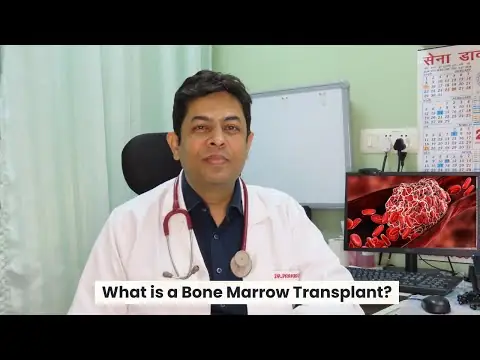
For eligible patients, a bone marrow transplant, ideally in childhood with a matched or suitable family donor, is an established treatment that can remove the need for lifelong transfusions. Gene therapy is an emerging option. Others are managed with transfusions and iron chelation.
How do I know if I am a thalassemia carrier?
A simple blood test (complete blood count plus hemoglobin HPLC or electrophoresis) can show whether you carry thalassemia trait. It is especially useful before marriage or pregnancy. Read our patient guide on thalassemia trait testing.
This page is for general information and does not replace a medical consultation. Treatment decisions depend on each patient's diagnosis and condition.