
Multiple myeloma is a cancer of plasma cells, a type of white blood cell in the bone marrow. Abnormal plasma cells multiply and produce an abnormal protein (M-protein), which can cause bone pain and fractures, anemia, kidney problems, high calcium and frequent infections. Modern drug combinations, autologous bone marrow transplant and CAR-T therapy have made myeloma a manageable condition for many patients.

Understanding multiple myeloma
These abnormal plasma cells multiply uncontrollably, leading to weakened bones, anemia, kidney problems, frequent infections and high calcium levels. As the disease progresses, normal blood cell production decreases. Myeloma can be slow-growing or aggressive, making early detection and tailored treatment essential.
How myeloma affects the body
The excess proteins (M-proteins or light chains) produced by myeloma cells can damage the kidneys, nerves and bones. Patients may experience severe back or rib pain, fractures, fatigue or recurrent infections. Myeloma is diagnosed with blood and urine protein tests (serum protein electrophoresis, immunofixation, free light chains), a bone marrow examination and imaging.
Advances in myeloma care
Treatment has transformed with new drug classes, targeted therapy, immunotherapy and bone marrow transplant. Current therapies aim to control the disease, achieve remission, prevent fractures and protect the kidneys. Many patients now live long, meaningful lives with proper monitoring and modern treatment combinations. CAR-T and monoclonal antibodies offer hope for relapsed or resistant cases.
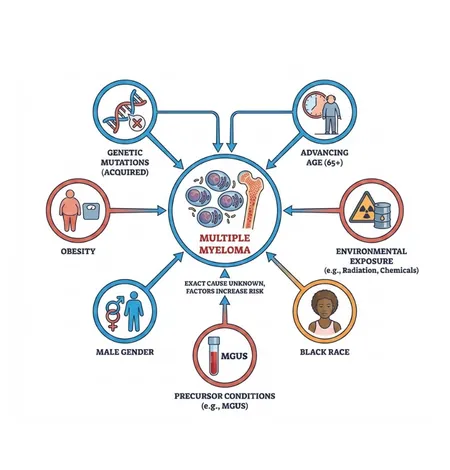
Symptoms of multiple myeloma
Clinical signs requiring prompt evaluation
- Persistent bone pain, especially in the back or ribs
- Fatigue and weakness due to anemia
- Frequent infections
- High calcium causing nausea, thirst or confusion
- Kidney dysfunction or reduced urination
- Unexplained fractures or bone thinning
- Numbness or tingling due to nerve involvement
Treatment options
Modern therapies to control disease and improve survival
- Combination regimens with proteasome inhibitors and immunomodulators
- Monoclonal antibodies and immunotherapy
- Autologous bone marrow transplant for eligible patients
- CAR-T cell therapy for relapsed cases
- Bisphosphonates for bone strengthening
- Supportive care for anemia, infections and kidney protection
Multiple Myeloma care with Dr Prakash Singh Shekhawat in Jaipur
At Jaipur Hematology Centre, Dr Prakash Singh Shekhawat (DM Clinical Haematology) evaluates each patient, explains the diagnosis and options clearly, and builds a treatment plan with the family. For complex cases he works with a multidisciplinary hospital team. Bone marrow transplant and CAR-T, when they are appropriate, are provided under his care as Head of the BMT & CAR-T Program at BMCHRC, Jaipur.
Frequently asked questions
Is autologous transplant still used in myeloma?
Yes. For eligible patients, high-dose chemotherapy followed by autologous stem cell transplant remains a standard part of myeloma treatment and can deepen and prolong remission.
What is MGUS?
MGUS (monoclonal gammopathy of undetermined significance) is a common, usually harmless finding of a small abnormal protein in the blood. It does not need treatment but should be monitored, because a small proportion of people progress to myeloma over time.
This page is for general information and does not replace a medical consultation. Treatment decisions depend on each patient's diagnosis and condition.